- Tel: +86 13451474678 / 13451474678
- Email: / hbzinanmech@gmail.com

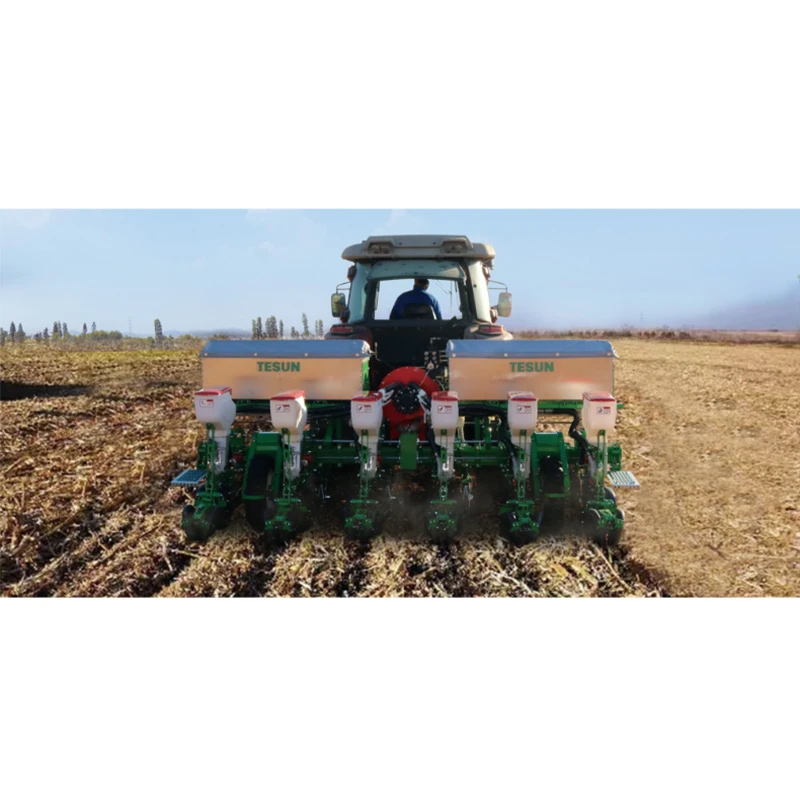
no till direct seeders
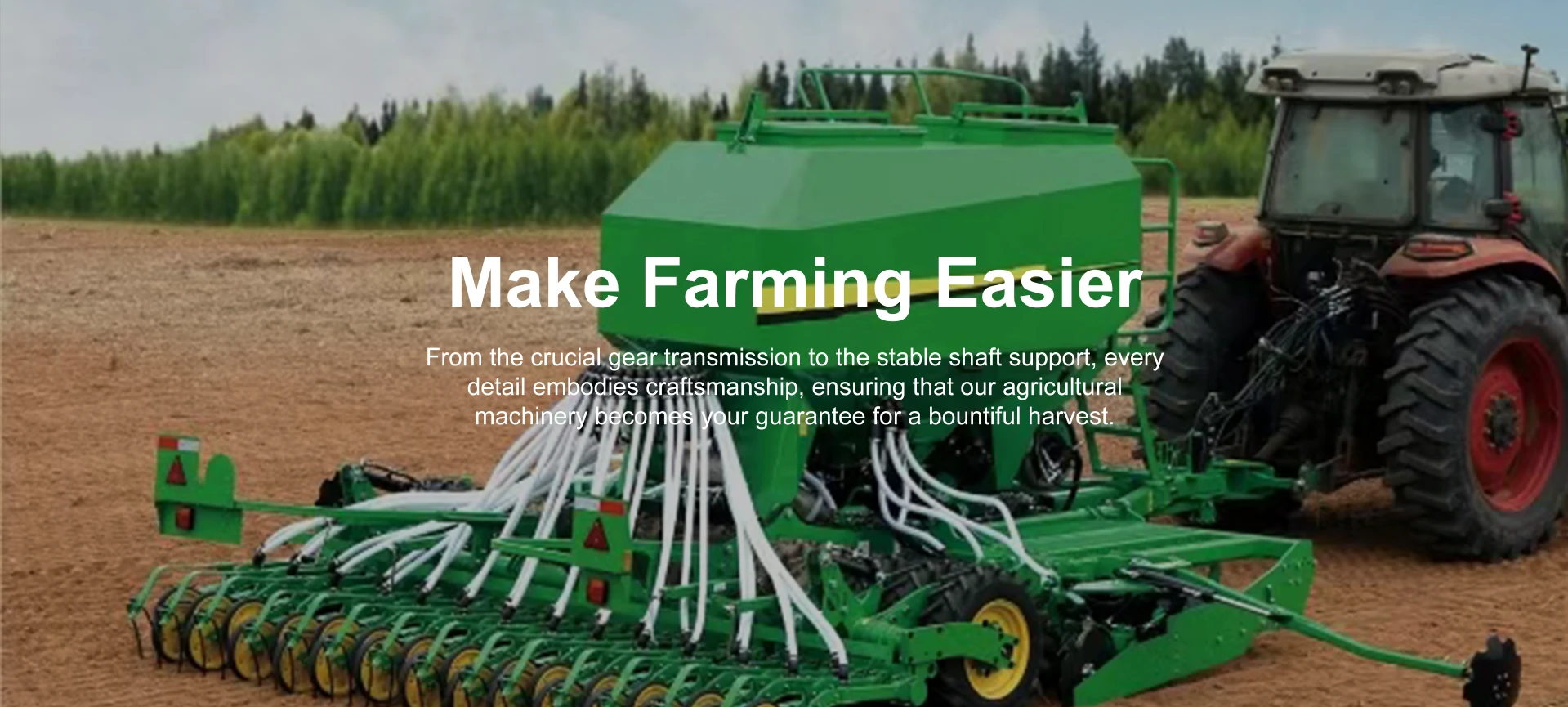
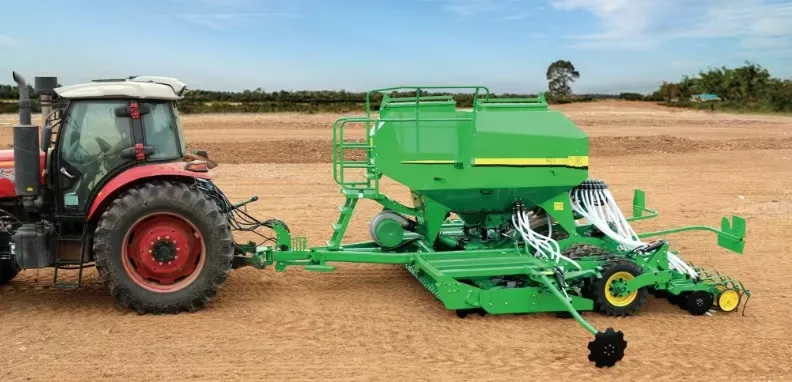
National Multi Crop Seed Drill : field notes, specs, and what actually matters If you’ve been watching seeding tech over the last five seasons, you’ve probably noticed a quiet convergence: precision planters and no-till drills are borrowing each other’s best tricks. In that space sits the Air Suction No-Till Seeder from Shijiazhuang, Hebei Province, China—a machine that has nudged its way into dealership lots and WhatsApp farmer groups, often described (sometimes loosely) as a National Multi Crop Seed Drill because it handles multiple crops without tearing up residue. To be honest, what caught my eye first wasn’t the look—it was the singulation data and the way it copes with last year’s straw. Industry trend check Two big shifts: conservation agriculture and precision metering. Farmers want residue-friendly openers, less tillage, and vacuum seed metering that doesn’t punish them for switching between maize, soy, rapeseed, pulses, or wheat. Many customers say they’re done juggling three different drills when one robust unit will do. How this machine is built and tested Frame is typically high-tensile steel with powder-coat, seed and fertilizer hoppers in polymer or optional stainless for corrosive blends. Openers use residue-cutting coulters and double-disc assemblies; vacuum (air-suction) meters handle plates for different crops. Factory tests follow ISO-style seed spacing audits and bench vacuum calibration; field verification references ISO 7256-1 procedures and ASABE terms for singulation and in-row spacing. Real-world use may vary, obviously. Key specifications (Air Suction No-Till Seeder) Row count 4–12 rows (configurable) Row spacing ≈ 200–750 mm, adjustable kits Metering Vacuum (air-suction) with crop-specific plates Singulation accuracy ≈ 97–99% maize; CV in-row spacing ≈ 10–15% under ISO 7256-1 methods No-till opener Residue coulter + double-disc; press wheels adjustable Fertilizer Side-band or in-furrow, mechanical rate control Power requirement ≈ 60–120 hp depending on rows/soil Certifications ISO 9001 factory; CE marking available Service life 8–12 seasons with routine wear-parts replacement Where it shines Maize/soy rotation with heavy residue; pulses and rapeseed with quick plate swap. Conservation fields where every pass costs fuel and moisture. Mixed-size seed lots; vacuum metering forgives minor variability. Advantages: reduced passes, better emergence uniformity, and less hair-pinning thanks to the coulter-disc combo. In field notes I saw, miss rate hovered ≈ 1.5–3% and multiples ≈ 1–2% on maize after calibration; diesel use dropped around 10–15% in no-till versus conventional—nothing miraculous, but noticeable. Vendor comparison (indicative) Model/Vendor Metering Best for Notes Air Suction No-Till Seeder (Hebei) Vacuum precision Multi-crop, residue-heavy fields High singulation; adjustable downforce Fieldking-style Multi-Crop Drill Fluted roller (mechanical) Cereals/pulses, lighter residue Budget-friendly; simpler plates Great Plains-type No-Till Drill Seed box + fluted meters Broadacre cereals Proven no-till opener lineage In short, if you truly need precision singulation across multiple crops, the vacuum system punches above its weight. For cereal-only programs, a mechanical drill still makes sense. Process flow, QA, and customization Materials: high-tensile steel frame; polymer/stainless hoppers; heat-treated opener discs. Methods: laser-cut frame, powder coating, dynamic vacuum bench tests, ISO-style field plots. Testing standards referenced: ISO 7256-1; ASABE S352.2 terminology; CE safety directives. Customization: row units add/remove; seed plates for maize/soy/wheat/rapeseed/pulses; fertilizer placement kits; stainless hoppers for corrosive blends. Case notes and feedback Northern plains demo (≈120 ha, maize→wheat rotation): stand count improved ≈ 6–12% versus a fluted-roller drill; emergence window tightened by two days. A dealer in central India reported fewer skips in kabuli chickpea after switching plates—surprisingly quick changeover, under 20 minutes once the crew got the hang of it. It seems that the machine earns its keep when residue is messy and time is short. If you’re evaluating a National Multi Crop Seed Drill , ask for meter calibration sheets, a quick field pass to verify spacing CV, and evidence of opener wear treatment. Also, keep an eye on spare parts logistics—no one wants to park a drill mid-sowing for a missing seal. Standards, data, and the fine print Typical lab data under ISO-style testing: singulation 97–99% (maize), miss rate ≈ 1–3%, multiples ≈ 1–2%, spacing CV ≈ 10–15%. Field variability exists—soil moisture, residue, and speed matter. Service life is mostly about opener maintenance; plan for disc and bearing refresh cycles every 2–3 seasons, depending on hectares covered. FAO. Conservation Agriculture overview. https://www.fao.org/conservation-agriculture ISO 7256-1: Sowing equipment — Single seed drills — Test methods. https://www.iso.org/standard/14526.html ASABE standards (terminology and testing references). https://elibrary.asabe.org/ CE Machinery Directive overview. https://ec.europa.eu/growth/sectors/mechanical-engineering/machinery_en
-
0YEARS IN THE FIELD
-
0 KEXPERIENCED STAFFS
-
-
-
0 kACCOMPLISHED PROJECT
-
0SATISFIED CLIENTS
-
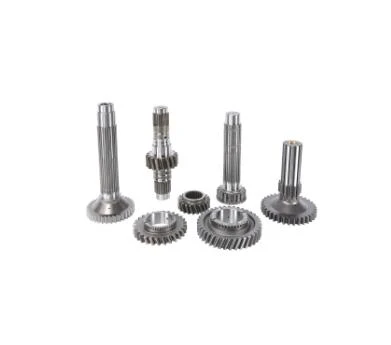
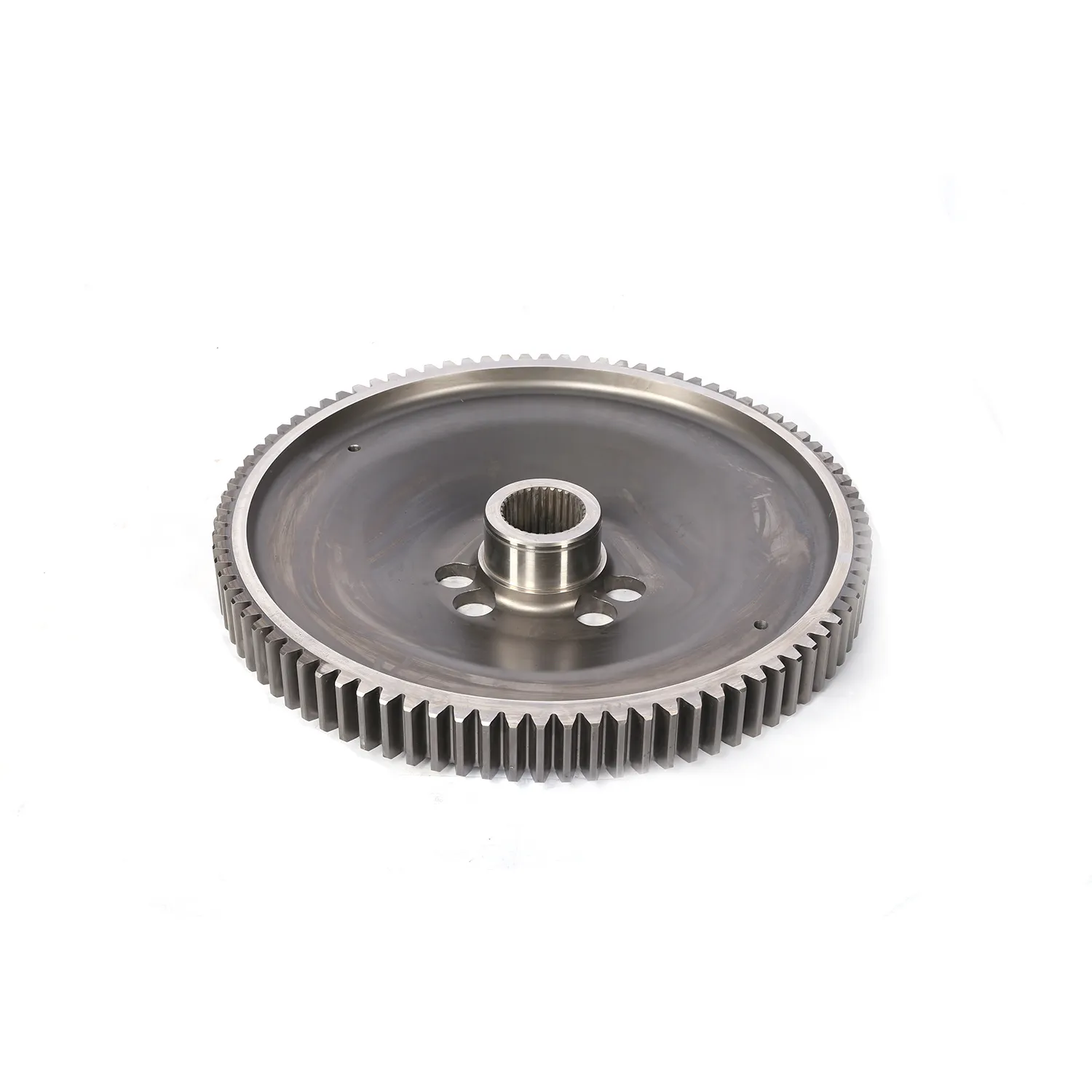
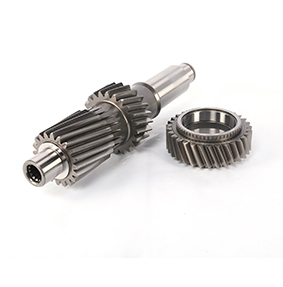
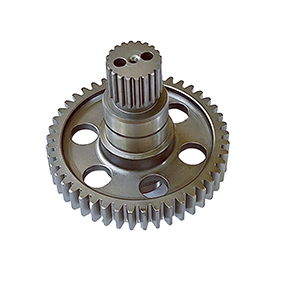
01The Application of Agricultural Machinery Gears In The IndustryAgricultural machinery gears are widely used in the agricultural machinery industry. In tractors, gears are applied to the transmission system. They can transmit the power from the engine to the wheels and achieve different speeds and torques through different gear combinations, so as to adapt to various working conditions such as plowing and transportation.
-
02Application of ComponentsIn agricultural machinery, the gearbox is mainly used to change the transmission ratio. Taking a tractor as an example, when the tractor needs to drive slowly in the field to cultivate the land and other operations, the gearbox can transmit the power of the engine through a lower transmission ratio, thereby outputting a larger torque to ensure that the agricultural machine has enough power to drive the agricultural implement for deep farming and other operations.
-
03Application of Agricultural MachineryField operations: Tractors are one of the most important power machines in agricultural production. In cultivated land operations, it can use powerful power to drive ploughshares to till the land by mounting ploughs to turn, break and level the soil, creating good soil conditions for sowing. For cultivator operations, it can mount cultivators to perform operations such as weeding, loosening and soil cultivation during crop growth to promote the growth of crop roots and nutrient absorption.
International layout
Spread all over the world
Our agricultural machinery products have won wide recognition and trust in the global market, and our sales network covers many countries and regions.

-
2026-04-05 00:38Shaft Types_ Guide to Industrial & Mechanical ApplicationsThe Crucial Role of Advanced Shaft Types in Modern Industrial Systems In the intricate landscape of>

-
2026-04-05 00:03Compact Disc Seed Drill for Sale _ Precision Planting & EfficiencyIndustry Trends in Precision Agriculture and Compact Seeding Technology The global agricultural sect>
-
2026-04-04 23:59Precision Drive Assembly_ Final Drive & Power Train SolutionsThe Crucial Role of Advanced Drive Assemblies in Industrial Operations In the intricate world of ind>
Sign up
for Newsletter
Subscribe to the weekly newsletter for all the latest updates